VIDEO PREMIERE: The Q at Myrtle Beach
Sixteen golfers. One dream.
George Bryan, Matt Atkins, Luke Kwon, Tyler Watts, Peter Finch, Micah Morris, Jay Card III, Grant Horvat, Fat Perez, Turk Pettit, and more face off at TPC Myrtle Beach for a chance to play on the PGA TOUR.
It’s time to see what happens. You won’t believe how this one ends. Buckle up!
Read More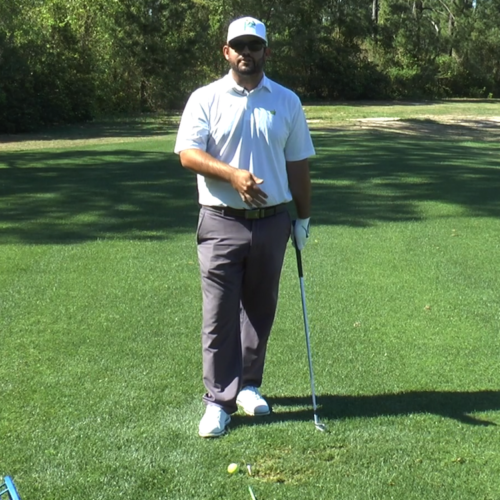
Tip Tuesday: How to Get Proper Position for the Bottom of Your Swing
Where should your golf swing bottom out with most of your clubs? Scott Tanguay of The Coastal Golf Academy in Myrtle Beach, S.C. shows us, along with a simple practice tip for how to reinforce it.
Read More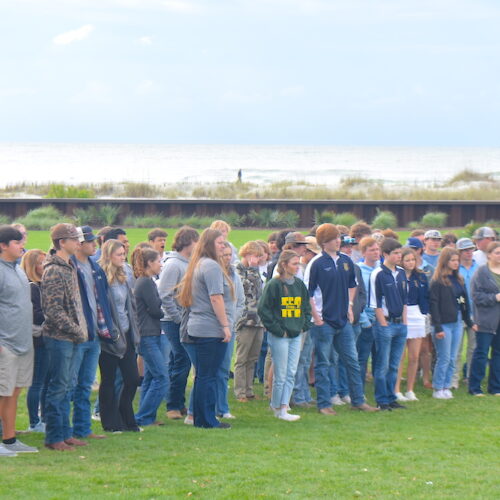
PHOTO GALLERY: PGA TOUR High School Day at The Dunes Golf & Beach Club
Thanks to Horry County Schools (HCS) and organizers of the Myrtle Beach Classic, students from nine Horry County, South Carolina high schools got an up-close, inside look at how a PGA TOUR event comes together at a host venue, gaining valuable insight from experts in agriculture, hospitality and marketing at Monday’s “PGA TOUR High School Day” at The Dunes Golf & Beach Club.
Read More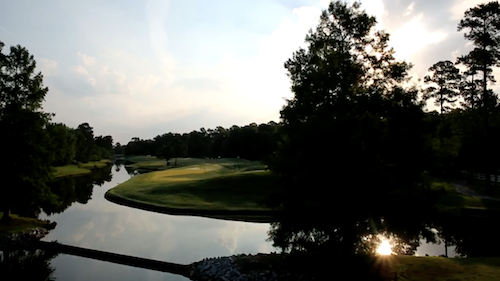
Video Spotlight: Arrowhead Country Club
Join us on a one-of-a-kind video tour of one of the Grand Strand’s most popular and requested designs: Tom Jackson and Raymond Floyd’s Arrowhead Country Club, a superbly conditioned track that has become a staple of many returning golfers’ golf trip itineraries.
Read More
VIDEO PREVIEW: “The Q at Myrtle Beach” Premiering Tuesday, April 23, 1 PM ET on YouTube
A full-length, YouTube tournament-style video chronicling “The Q at Myrtle Beach,” which featured eight of golf’s most popular content creators and eight aspiring pros competing for a sponsor exemption into the PGA TOUR’s upcoming Myrtle Beach Classic, is set for release at 1 p.m. ET on Tuesday, April 23 on Play Golf Myrtle Beach’s YouTube page. PlayGolfMyrtleBeach.com will be simulcasting the YouTube feed as well.
Read More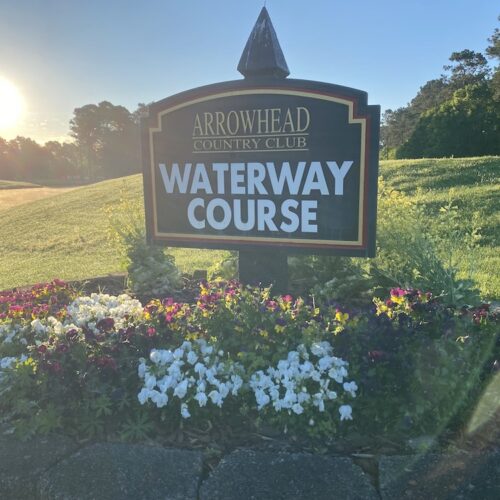
Current Playing Conditions at Arrowhead, Wild Wing & Barefoot-Dye
Most recently, David Williams stopped by two of Myrtle Beach’s most in-demand designs (Arrowhead Country Club and The Dye Course at Barefoot Resort), while Jim took to the skies to capture some early-morning images at the Avocet Course at Wild Wing. Check out what their camera lenses captured; we hope these current conditions photos get you excited for what’s in store for your next Myrtle Beach golf trip!
Read More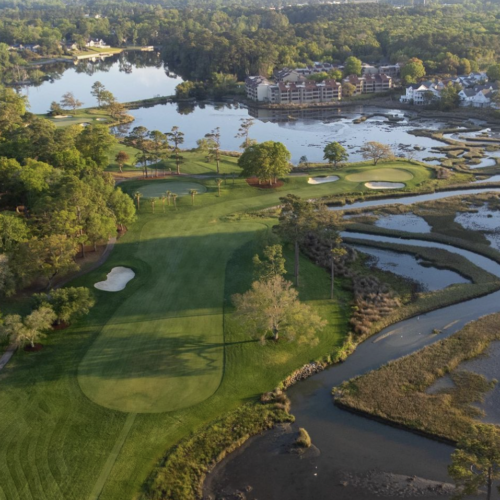
The Week in Social Media: April 12-18, 2024
Is there a better time of year to enjoy “The Golf Capital of the World?” If so, you’ll be hard-pressed to beat the glorious weather and playing conditions our golf courses are serving up to legions of loyal visitors. Let’s take a look at what they’ve been experiencing this past week, as seen through their eyes and lenses on Facebook and Instagram!
Read More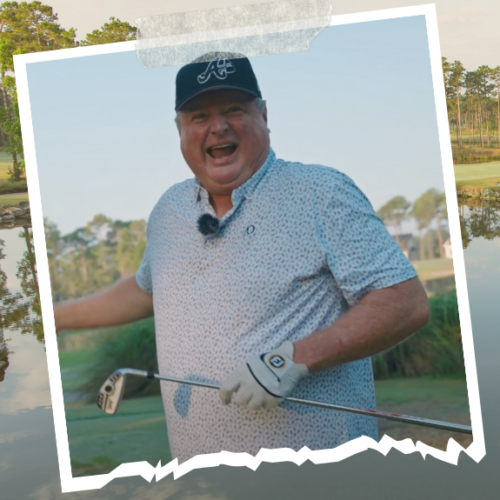
Charlie’s Wild Ride at Tiger’s Eye: “Breaking Par with Charlie Rymer” Episode 56
In the third leg of his Ocean Ridge Plantation course tour, Charlie’s taking on the par-3 11th hole at Tiger’s Eye Golf Links. Plenty of water and coquina boulders separate his tee shot from an island green, and our FPV drone tagged along to help document the experience from an adventurous vantage point!
Read More
Stories of The Q at Myrtle Beach: Peter Finch, the International Favorite
Peter Finch began his golf journey as a driving range teacher in England. Now, he is one shot away from the PGA TOUR. This is his story.
Watch The Q at Myrtle Beach, April 23rd on Play Golf Myrtle Beach’s YouTube Channel.
Read More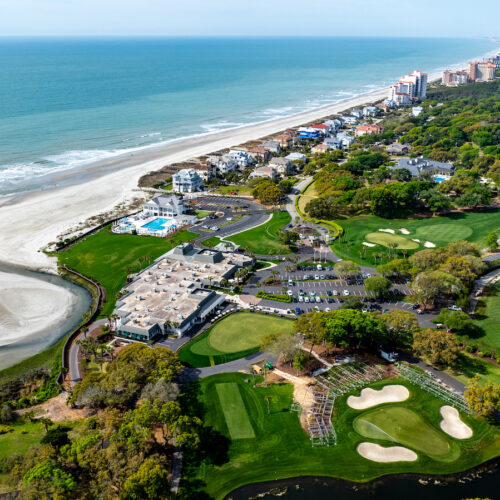
David’s 3 Best Viewing Spots for the 2024 Myrtle Beach Classic
The grandstands going up around holes 17 and 18 at The Dunes Golf & Beach Club are hardly the only places to get a great vantage point of the action at the 2024 Myrtle Beach Classic, the Grand Strand’s inaugural PGA TOUR event. Play Golf Myrtle Beach’s David Williams offers up his suggestions for some of the best on-course viewing locations.
Read More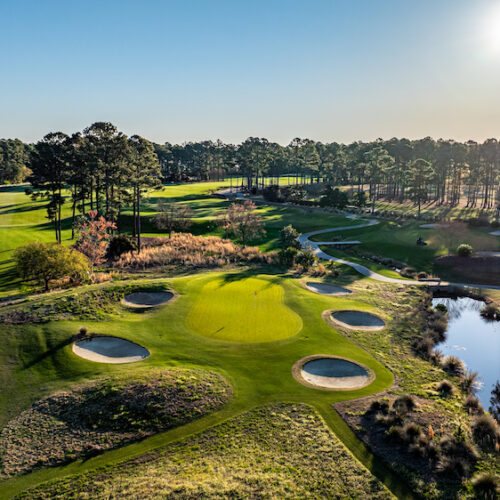
Package Spotlight: The All Inclusive from Myrtle Beach Golf Trips
Make your next golf package with Myrtle Beach Golf Trips complete with just a $5 per player upcharge that gets you free range balls, lunch off the menu and two beers or fountain drinks! Visit MyrtleBeachGolfTrips.com to learn more and start planning your getaway today!
Read More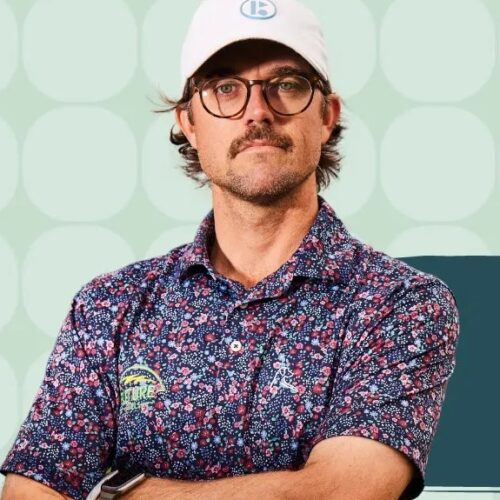
Stories of The Q at Myrtle Beach – George Bryan: “I’m Going to Believe That I’m the Best One”
George Bryan’s path in golf is a fascinating one, with many turns. Everything he has done has been to help him achieve one goal: making it to the PGA TOUR.
Watch The Q at Myrtle Beach, April 23rd on Play Golf Myrtle Beach’s YouTube Channel.
Read More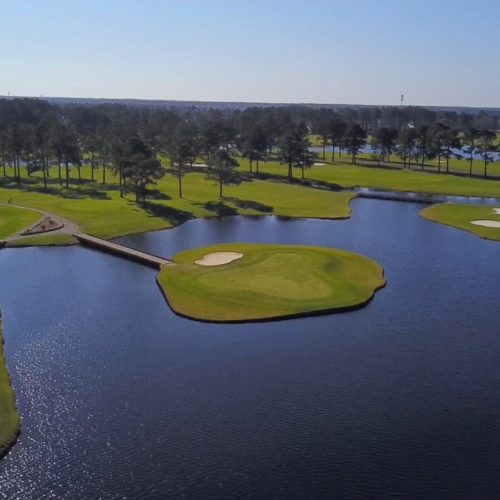
Creativity, Consistency Help Define These 4 Popular Myrtle Beach Golf Courses
Possession of these two traits is at the heart of the popularity of four Myrtle Beach golf courses that have helped anchor many trips over the years. Arrowhead Country Club, Man O’ War, Prestwick Country Club, and The Wizard are renowned for the good times and certainty they provide group leaders.
Read More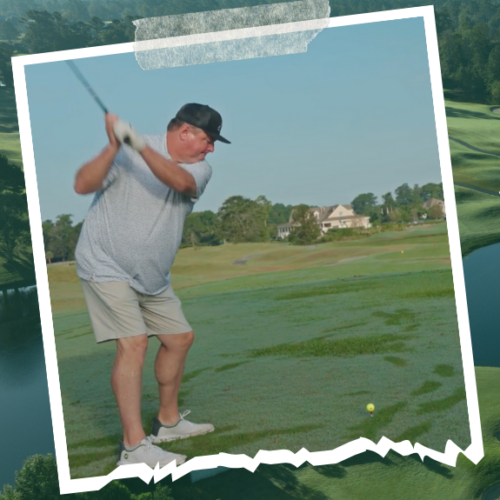
Can Charlie Tame This Carolina Panther? “Breaking Par with Charlie Rymer” Episode 55
In the second leg of his Ocean Ridge Plantation journey, Charlie’s taking on another finishing hole – this time at Panther’s Run Golf Links, on a par four that’s not about to yield a birdie too easily. Let’s see what “The Big Timer” can do!
Read More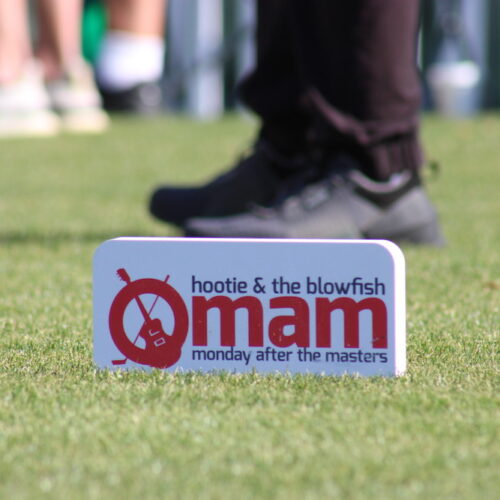
PHOTO GALLERY: 2024 Hootie & the Blowfish Monday After the Masters Celebrity Pro-Am at The Dye Course at Barefoot
The team led by Billy Kratzert, a broadcaster and 4-time PGA TOUR winner, and actor Kevin Sorbo shot a 54 and won a six-way scorecard playoff to capture the 2024 Hootie & the Blowfish Monday After the Masters Celebrity Pro-Am on a sun-drenched Dye Course at Barefoot Resort & Golf.
Read More